Houston, TX · Harris County
Water Damage Restoration in Houston, TX
Water in your house? Call now. A local crew will get the water out and dry it fast.
Tap to call now(817) 660-4380- Answered day or night
- Upfront pricing
- Insurance help
Water in the house right now?
Do these 4 things, then call
- Shut off the water. The main valve is usually in a box near the street or where the line comes into the house.
- Kill power to wet rooms at the breaker, but only if you can reach the panel from a dry spot.
- Take photos and video before you move anything. Your adjuster will ask for them.
- Call (817) 660-4380. The sooner the water comes out, the less drywall and flooring you lose.
Local water damage help when you need it
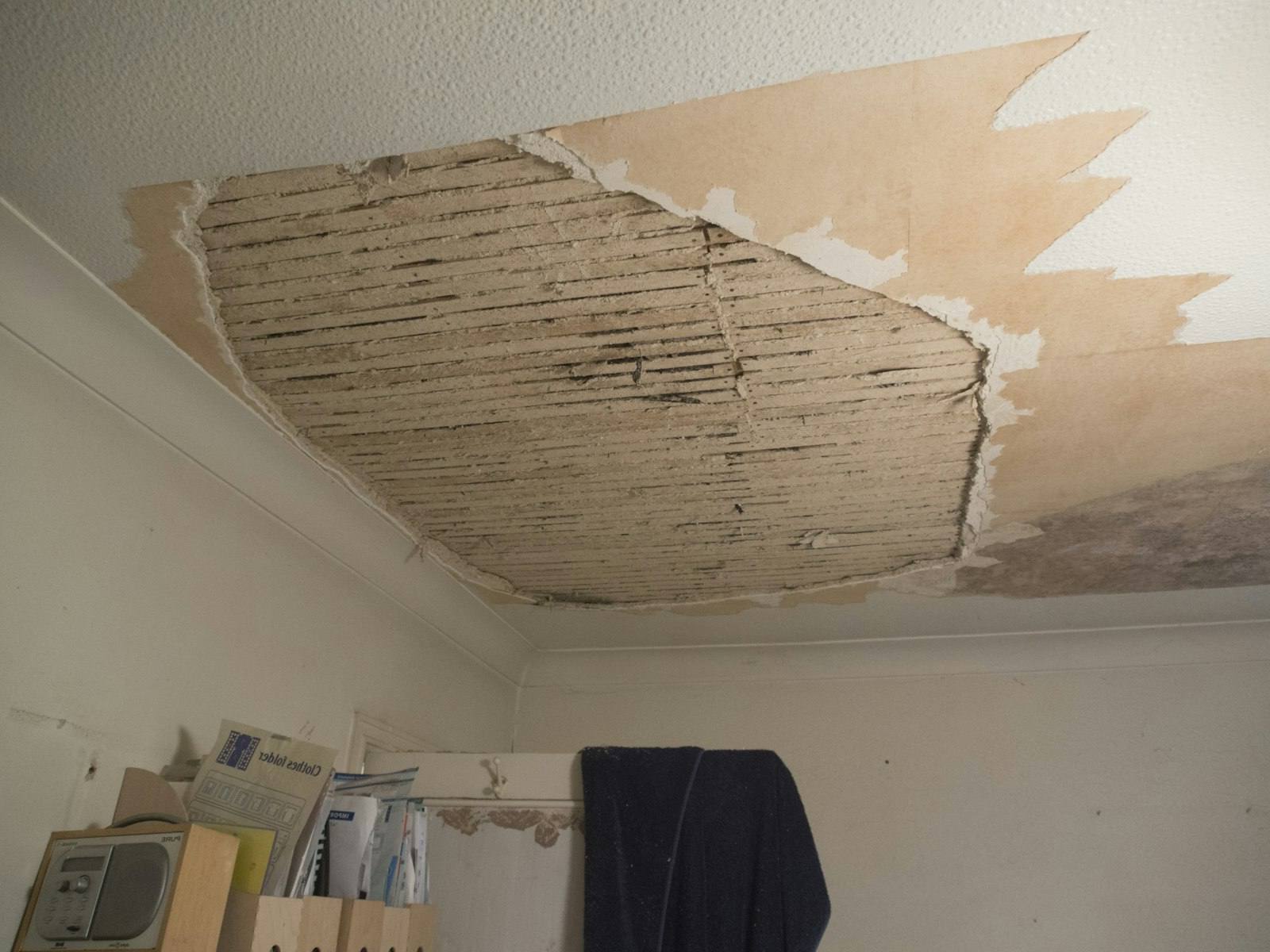
Water damage in Houston rarely shows up at a good time. A tropical storm stalls overhead and the street fills past the curb. An attic AC drain pan overflows in August and the ceiling below starts to sag. A freeze splits a pipe in an outside wall, and the flooding starts when it thaws. In this heat and humidity, a wet house does not dry out on its own. It grows mold, often within 24 to 48 hours.
One call to (817) 660-4380 connects you with an experienced local restoration crew that handles the whole job: emergency water extraction, drying, mold remediation in Houston, flood damage cleanup and the repairs that put drywall, floors and paint back. You get upfront pricing before work starts, and you deal with one crew from the first pump-out to the final repair. Want the details first? Read how water damage restoration in Houston works.
What we fix
Water damage services in Houston
From the first pump-out to the final coat of paint. Pick the one that sounds like your problem, or just call and describe it.
Water Damage Restoration
Standing water, a slow leak, or storm flooding. Get fast, local water damage help and an honest plan to dry your home out.
Learn more ›Emergency Water Extraction
Standing water spreads by the minute. Get fast extraction and drying before it wicks into your floors and walls.
Learn more ›Flood Damage Restoration
From bayou overflow to reservoir releases, get fast floodwater cleanup, sanitizing, and a plan to rebuild.
Learn more ›Mold Remediation
Houston humidity grows mold fast. Get a real inspection, safe removal, and a plan to keep it from coming back.
Learn more ›Burst Pipe Water Removal
A burst pipe floods a home in minutes. Shut off the water, then get fast removal and drying.
Learn more ›Ceiling Leak Repair
Brown stain on the ceiling or a drip coming through? Find the real source, dry it, and repair it for good.
Learn more ›Storm Damage Water Removal
Hurricane season runs June to November. When a storm pushes water in, get fast removal and drying.
Learn more ›Sewage Backup Cleanup
Sewage is a biohazard, not a mess to mop. Get safe removal, sanitizing, and drying done right.
Learn more ›Crawl Space Water Extraction
Water under a pier-and-beam home rots framing and breeds mold. Get it pumped out and dried.
Learn more ›Carpet Water Damage
Wet carpet can sometimes be saved, but only if it dries fast and the water was clean.
Learn more ›Not sure what you need?
Most people call before they know if it is a slab leak, an AC overflow or a roof leak. Describe what you see and a local crew will sort it out.
(817) 660-4380Every hour the water sits, the job gets bigger
Drywall soaks up water fast. Wood floors start to cup within hours. With Houston humidity, mold can start in 24 to 48 hours. Calling now keeps a drying job from turning into a rebuild.
How it works
How a Houston water damage job runs
Four steps, start to finish. You get the price before step two.
Call and inspect
Tell the crew what happened. They stop the source and map the wet areas with moisture meters and a thermal camera.
Pull the water
Pumps and extractors get standing water off the floor and out of the carpet before it spreads into more rooms.
Dry and check
Air movers and commercial dehumidifiers dry the walls, slab and framing. Daily meter readings show when it is dry enough to close up.
Repair
Damaged drywall, flooring, baseboards and paint get replaced so the room looks the way it did before the water came in.
Know the cause
What floods Houston homes
Most Houston water damage calls come back to a short list of causes. Knowing which one you have tells the crew where to look first.
Hurricanes and tropical storms
Hurricane season runs June through November. Harvey sat over Harris County for four days in 2017, and Beryl brought high winds and heavy rain in July 2024.
Flash floods and bayous
Houston is flat and low, and Harris County drains through 22 watersheds. A slow storm can push bayous and creeks over their banks and fill streets in a few hours.
Freeze bursts
Hard freezes are rare here, so pipes often run through attics and outside walls. The February 2021 storm split pipes across the city, and the water came when they thawed.
Slab leaks
Most Houston homes sit on slabs poured over clay that swells when wet and shrinks when dry. That movement stresses the water lines under the floor until one gives.
AC and water heater leaks
Attic AC units run most of the year here. A clogged drain line or rusted pan overflows onto the ceiling below, and attic water heaters fail the same way.
Sewer backups
Heavy rain can overload sewer lines and push dirty water up through floor drains, tubs and toilets. That water carries bacteria and needs a full cleanup.
Not sure which one you have? Call (817) 660-4380 and the crew will know where to look first.
Why Houston homes get water damage
Houston earned the name Bayou City. The land is flat, low and close to the Gulf, and Harris County drains through 22 separate watersheds. When a slow storm parks over the area, the water has nowhere quick to go. Harvey showed that in 2017. It stalled over Harris County for four days, and rain totals across the county ran from 25 to 47 inches. The Harris County Flood Control District first estimated that 136,000 homes were damaged. Tropical Storm Allison dropped up to 37 inches over five days in 2001, and the Memorial Day flood of 2015 and the Tax Day flood of 2016 hit many of the same streets again.
Where you live changes how the water shows up. In Meyerland (77096), Brays Bayou runs right through the neighborhood. Its 1950s and 1960s ranch homes took water in the Memorial Day flood and again in Harvey, and many owners have since raised or rebuilt. In Memorial (77024 and 77079, which takes in much of the Energy Corridor), the risk comes from Buffalo Bayou and the Addicks and Barker reservoirs. During Harvey, the Army Corps of Engineers raised releases into the bayou far past normal, and low streets near Terry Hershey Park and in the Memorial Villages flooded. Kingwood (77339 and 77345) sits along the San Jacinto River and flooded badly that year when the river rose.
The older homes inside the Loop bring different problems. The Heights (77008) and Montrose (77006) are full of early 1900s bungalows and Victorian houses, many on pier and beam. Water and damp air collect in the crawl space, and old galvanized supply lines and cast iron drains wear out. Newer two-story homes and townhomes all over the city hide leaks behind walls and under upstairs bathrooms, where a slow drip can run for weeks before a stain shows on the ceiling below. Down in Clear Lake (77058), homes near Clear Creek and Galveston Bay take tropical rain straight off the Gulf.
The weather between storms matters too. Houston averages about 52 inches of rain a year at Bush Intercontinental, and humidity runs over 90 percent most mornings. Water that would dry in a few days somewhere else just sits in the drywall and slab here. That is why mold grows so fast after even a small leak, and why a proper job runs commercial dehumidifiers and checks the structure with a moisture meter before anyone calls it dry.
The ground plays a part as well. Much of the area sits on expansive clay, the gumbo soil locals know well. It swells after rain and shrinks in a dry summer, and that movement shifts slab foundations and stresses the water lines that run under them. A slab leak can run for weeks before anyone notices a warm spot on the tile, a damp patch of carpet near an inside wall or a water bill that jumps for no reason. If that sounds familiar, read about burst pipe and leak water removal or call and describe what you see.
What a local crew does differently
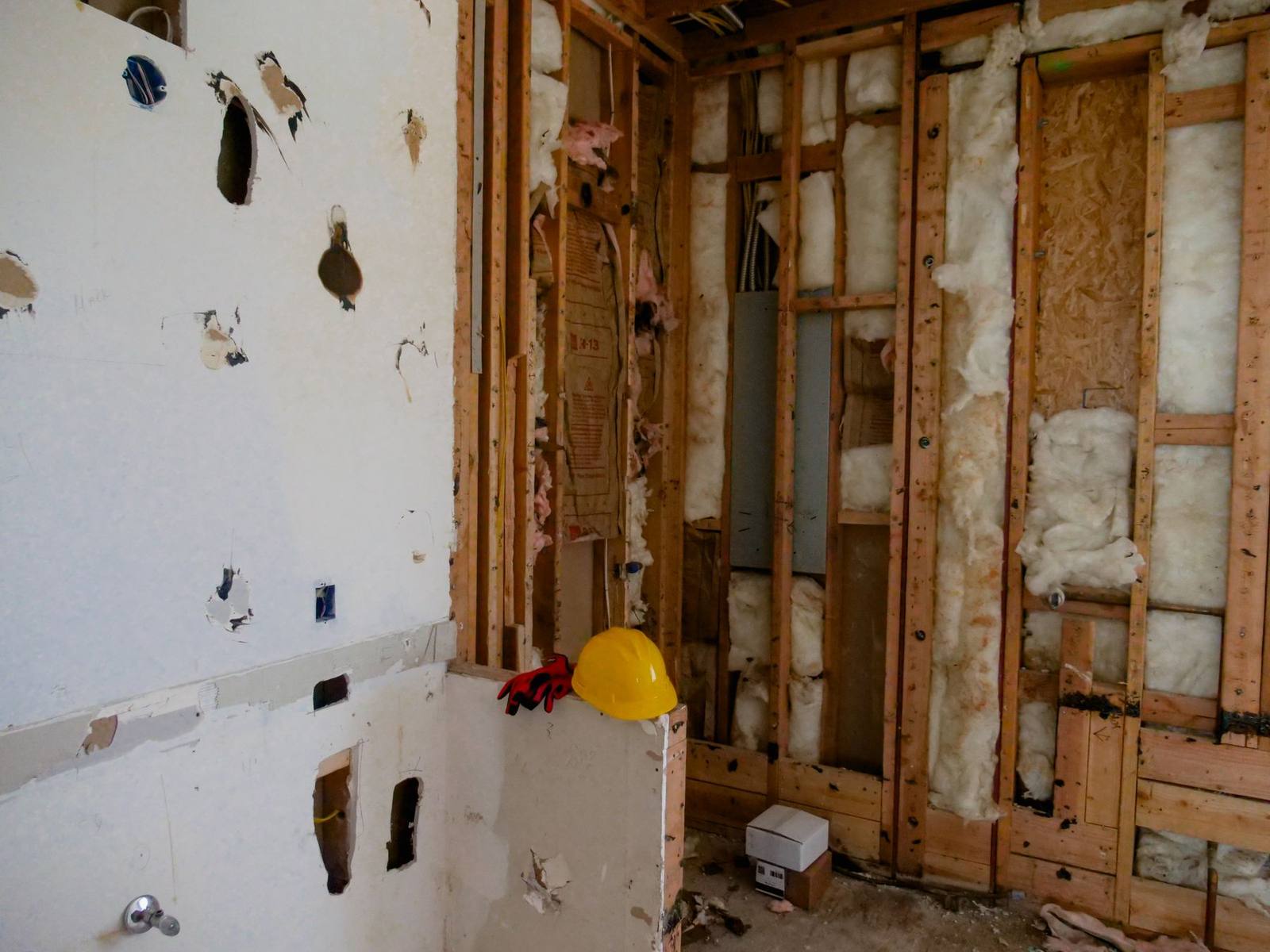
A crew that works in Houston every week knows the local houses. They check the attic AC pan when a ceiling stain shows up in July. They look under a pier-and-beam house in the Heights after a heavy rain. They run a thermal camera over the slab when a floor feels warm. They also know the difference between a clean-water pipe leak and floodwater from a bayou, which decides what can be dried in place and what has to come out.
The process stays simple. Stop the water. Pull out what is standing. Dry the structure with the right equipment. Prove it is dry with meter readings. Then rebuild. You get upfront pricing before work starts and help documenting the loss for your insurance company, with no pressure and no surprise line items at the end.
Call (817) 660-4380What does water damage restoration cost in Houston?
Price depends on how much water there was, how far it spread and how clean it was. These are typical 2026 ranges for the Houston area:
| Small clean-water leak, one room | A few hundred to $1,500 |
| Water across several rooms | $1,500 to $4,500 |
| Large loss, floodwater or sewage | $5,000 to $15,000+ |
| Mold remediation, one room | $1,000 to $3,000 |
Time moves the number most. Water caught in the first hours is a drying job. Water left for days turns into tear-out and rebuild.
See the full Houston cost guide ›Will my insurance cover it?
Most homeowners policies cover water damage that is sudden and accidental, like a burst pipe, a failed water heater or a storm-driven roof leak. Rising water from a bayou, the street or a storm surge is a different story. A standard policy excludes it, and you need separate flood insurance through the NFIP or a private carrier. Slow leaks that went on for months are often denied.
The crew helps either way. They photograph the damage, log moisture readings and write up the scope so your adjuster has what they need. Open a claim with your insurer, but do not wait on a call back to start drying. Most policies expect you to stop further damage right away. The Houston insurance guide covers the rest.
Call (817) 660-4380Where we work
Water damage help in Houston and nearby
Crews cover Houston and Harris County, from Meyerland, Memorial and the Heights to Kingwood and Clear Lake, plus Katy, Sugar Land, The Woodlands, Pearland, Cypress and Spring.
Common questions
Houston water damage FAQ
Who do I call for water damage in Houston?
Call a water damage restoration crew to start extraction and drying right away, and open a claim with your insurer. For the source, call the right trade: a plumber for a pipe, a roofer for a roof leak. In Houston's humidity, fast drying is what prevents mold.
How fast can someone get to my Houston home?
Call (817) 660-4380 any time, day or night. Water damage is treated as an emergency, and help is available across Houston and Harris County. Describe what happened and which rooms are wet so the crew shows up with the right equipment.
Does homeowners insurance cover water damage?
Sudden, accidental damage like a burst pipe is usually covered, minus your deductible. Gradual damage from a leak nobody fixed is often denied. Read the insurance guide for the full breakdown.
Does insurance cover flooding in Houston?
Not under a standard homeowners policy. Flooding from bayous, streets, storm surge or reservoir releases is covered only by separate flood insurance through the NFIP or a private policy. Given Houston's flood history, many homeowners carry it even outside the highest-risk zones.
How much does water damage restoration cost in Houston?
Small clean-water jobs often run a few hundred dollars to about $1,500. Jobs across several rooms run about $1,500 to $4,500, and large or contaminated losses can reach $5,000 to $15,000 or more. See the Houston cost guide, and get upfront pricing after an assessment.
How fast does mold grow after water damage in Houston?
In Houston's humid climate, mold can start within 24 to 48 hours of materials getting wet. That short window is why fast extraction and drying checked with moisture meters matter so much here.
Can I just dry it out myself with fans?
For a small spill on tile, maybe. For anything that soaked carpet, got under baseboards or came through a ceiling, box fans dry the surface while the wall cavity and slab stay wet. That trapped moisture is what grows mold. Commercial dehumidifiers and moisture meters are how you know it is actually dry.
My pipes burst in a freeze. Is that covered?
A sudden pipe burst from a freeze, like the ones during the February 2021 storm, is generally treated as a covered loss on a standard homeowners policy. Take photos of the burst and the damage right away. The crew documents it too as part of the job.
Water where it should not be?
Call now and get a local restoration crew moving on it, day or night.