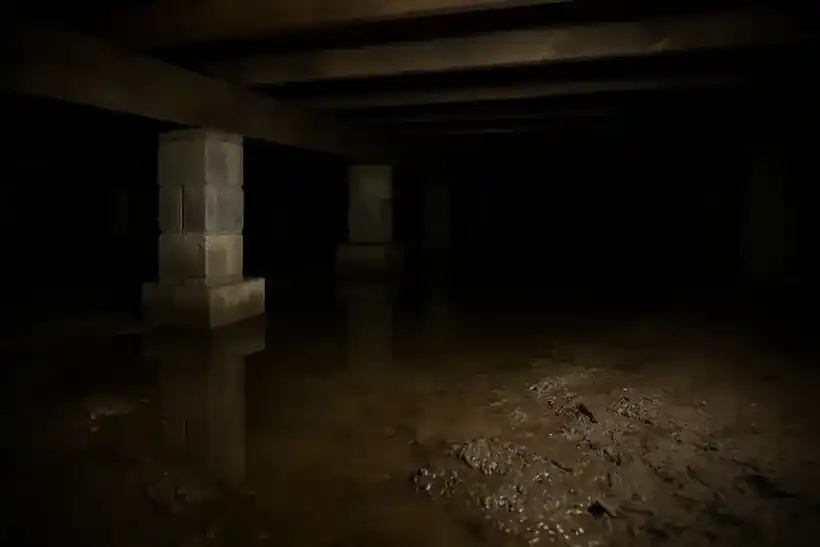
Crawl Space Water Extraction in Houston, TX
Water under a pier-and-beam home rots framing and breeds mold. Get it pumped out and dried.
Crawl space water extraction matters most for Houston's older pier-and-beam homes in The Heights, Montrose, and the inner loop. Water collects under the house after storms, plumbing leaks, or poor drainage, and because it sits out of sight it does real damage before anyone notices: rotted joists, sagging floors, and a mold reservoir that pushes musty air up into the living space. Call if you suspect water under your home. A local crew pumps it out, dries the space, and addresses why it is wet.
Out of sight, not out of mind
A wet crawl space is easy to ignore because you never see it, but the damage is real. Standing water and damp soil keep the wood framing wet, which invites rot and termites and grows mold on the joists and subfloor. That mold then feeds air into the home above through the floor, which is why a musty house sometimes starts under it.
Because the space is closed and humid, Houston's climate keeps it wet long after the rain stops unless it is actively dried.
Pump out, dry, and protect
Crews pump and extract standing water from the crawl space, then dry the soil, framing, and subfloor with air movement and dehumidification. Wet insulation hanging under the floor usually has to come out because it stays soaked and grows mold.
Where moisture is a recurring problem, the longer-term fixes include improving drainage and grading around the home, vapor barriers on the soil, and addressing any plumbing leaks feeding the space.
Why Houston crawl spaces flood
Flat lots with poor drainage let stormwater pool under the house. Pier-and-beam homes sit low to grade in many older neighborhoods, so a heavy rain that the street cannot carry off ends up underneath. Plumbing leaks from the drain and supply lines that run through the crawl space add to it.
Fixing the water source is what keeps the crawl space dry long term. Extraction handles today's water; drainage and leak repair keep it from coming back.
Long-term crawl space protection
Pumping out today's water is the fix for the emergency, but keeping the crawl space dry is what protects the home. Grade the soil so it slopes away from the foundation, and make sure gutters and downspouts carry roof water well clear of the house. A soil vapor barrier cuts the ground moisture that keeps a Houston crawl space humid, and addressing any plumbing leaks under the floor removes a constant water source. Some owners go further and encapsulate the crawl space with a sealed liner and a dehumidifier. Whatever the approach, the goal is the same: dry framing, no standing water, and no musty air rising into the rooms above.
The signs you may be missing
Because a crawl space is out of sight, the warning signs show up inside the house. Musty or earthy odors, especially near the floor or in closets, often trace back to moisture underneath. Floors that feel soft, bouncy, or have started to sag can mean the joists or subfloor below are wet and weakening. Higher-than-usual indoor humidity, condensation on windows, or visible mold along baseboards are other tells. In older pier-and-beam Heights and Montrose homes, it is worth checking the crawl space directly after heavy storms. Catching crawl-space water early, before it rots framing or builds a mold reservoir, is far cheaper than repairing structural damage after the fact.
What the work includes
- Crawl space water pumping
- Soil and framing drying
- Wet insulation removal
- Mold prevention
- Vapor barrier guidance
- Drainage recommendations
Crawl Space Water Extraction FAQ
How do I know if my crawl space has water?
Signs include musty odors in the home, sagging or bouncy floors, higher-than-normal indoor humidity, and visible mold on baseboards. In older pier-and-beam areas, it is worth checking the crawl space after heavy storms.
Is crawl space water really a problem if I cannot see it?
Yes. Hidden water rots framing, grows mold, and pushes damp, musty air into your living space. Because it is out of sight, it often does more damage than a visible leak before anyone deals with it.
How do I keep my crawl space dry?
Improve grading and drainage so water flows away from the home, add a soil vapor barrier, fix any plumbing leaks, and keep the space ventilated or sealed and conditioned. Extraction handles the current water, these steps prevent the next round.
Water in your home right now?
Tell us what happened and where. We will get you fast water damage help from an experienced local crew across Houston, day or night.
817-660-4380