Sewage Backup Cleanup in Houston, TX
Sewage is a biohazard, not a mess to mop. Get safe removal, sanitizing, and drying done right.
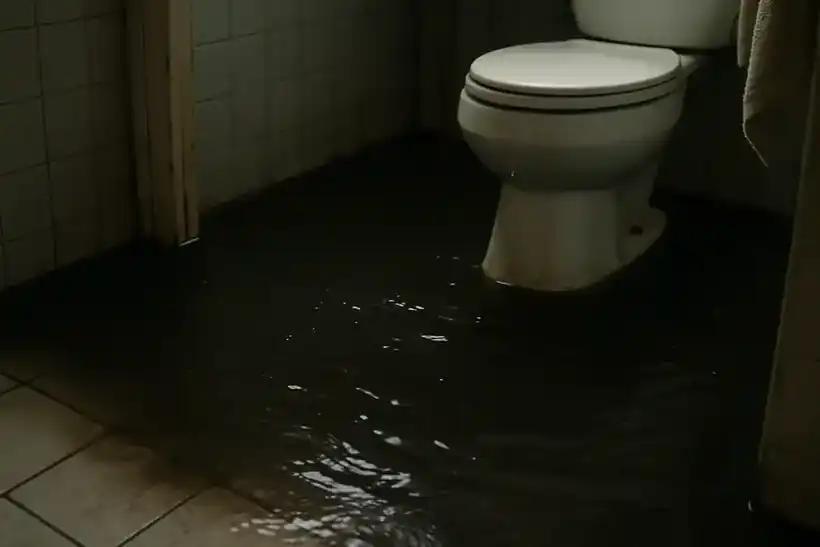
Sewage backup cleanup is a job for protective gear, not a mop and bucket. A backed-up sewer line or overflowing toilet brings Category 3 black water into your home, loaded with bacteria, viruses, and parasites that make people sick. Houston storms and aging lines push this problem more than people expect. Call and tell us what happened. A local crew removes the contamination safely, sanitizes the area, and dries it so your home is healthy again.
Why sewage is a biohazard
Black water carries pathogens that cause real illness, and it soaks into everything porous it touches. Carpet, pad, drywall, and any contaminated contents usually cannot be saved and must be removed. This is not a judgment call you want to get wrong, because what looks cleaned can still be contaminated.
Crews work in protective equipment and contain the area so the contamination does not spread to clean parts of the home through foot traffic or air movement.
Removal, sanitizing, and deodorizing
First the waste and contaminated materials are removed and bagged. Then hard surfaces and framing are cleaned and treated with hospital-grade antimicrobials to kill what the sewage left behind. Air scrubbers with HEPA filtration clear the air, and the area is deodorized to remove the smell that otherwise lingers in walls and subfloor.
Only once the area is clean and disinfected does drying begin, so moisture is not sealed in with contamination.
Common Houston causes
Heavy rain overwhelms Houston's older sewer infrastructure and can push water back up through drains and toilets. Tree roots invade clay sewer laterals common in older neighborhoods, and grease and flushed debris clog lines. A single backup can flood a bathroom or a whole ground floor.
Whatever the cause, the cleanup is the same: treat it as a health hazard first, then restore the structure. A crew that handles biohazard work protects your family while it puts the home back.
Preventing the next backup
A few habits cut the odds of another sewage backup. Never pour grease down the drain, and avoid flushing wipes, paper towels, or hygiene products, all of which clog lines. In older Houston neighborhoods with clay sewer laterals, tree roots are a common culprit, so periodic line inspection or cleaning helps. A backwater valve on your sewer line can stop city-side backups from pushing into the house during heavy rain. And because standard homeowners policies often exclude sewer backup, ask your agent about an inexpensive backup endorsement before you need it. If a backup does happen, treat it as a biohazard and keep people and pets clear.
The three categories of contamination
Restoration pros classify backups by how contaminated the water is, and sewage is the worst of the three. Category 1 is clean water from a supply line. Category 2, grey water, has some contaminants, like a washing-machine overflow. Category 3, black water, includes sewage and floodwater and carries bacteria, viruses, and parasites. A toilet overflow that contained waste, or any sewer-line backup, is Category 3 by definition. That classification is not a formality. It dictates that porous materials get removed rather than dried, that the area is disinfected with the right products, and that the people doing the work wear protective equipment. Treating a Category 3 event casually is how people get sick.
What the work includes
- Biohazard-safe removal
- Contaminated material disposal
- Hospital-grade sanitizing
- HEPA air scrubbing
- Odor removal
- Structural drying
Sewage Backup Cleanup FAQ
Can I clean up a small sewage backup myself?
Even a small backup is a health risk, and contamination spreads further than it looks. Protective equipment, the right disinfectants, and safe disposal matter. For anything beyond a tiny, contained spill on a hard floor, professional biohazard cleanup is the safer call.
Does insurance cover sewage backup?
Standard homeowners policies often exclude sewer backup unless you carry a specific backup endorsement. Many homeowners add it because it is inexpensive. Check your policy, and document everything with photos before any cleanup begins.
How long does sewage cleanup take?
A contained bathroom backup is often handled in a day plus drying time. Larger backups that reach multiple rooms take longer because more material has to be removed, sanitized, and dried.
Water in your home right now?
Tell us what happened and where. We will get you fast water damage help from an experienced local crew across Houston, day or night.
817-660-4380