Houston water damage service
Fire Damage Restoration in Houston, TX
Call now. A local crew will get the water out, dry it and fix the damage.
Tap to call now(817) 660-4380- Answered day or night
- Upfront pricing
- Insurance help
Fire damage restoration deals with three problems at once: the burned materials, the smoke and soot that spread far beyond the fire, and the water used to put it out. In Houston that water plus our humidity also means mold risk if the cleanup drags. Call after the fire department clears the scene. An experienced local restoration crew handles soot cleanup, odor removal, water cleanup, and the rebuild, and works with your insurance through the claim.
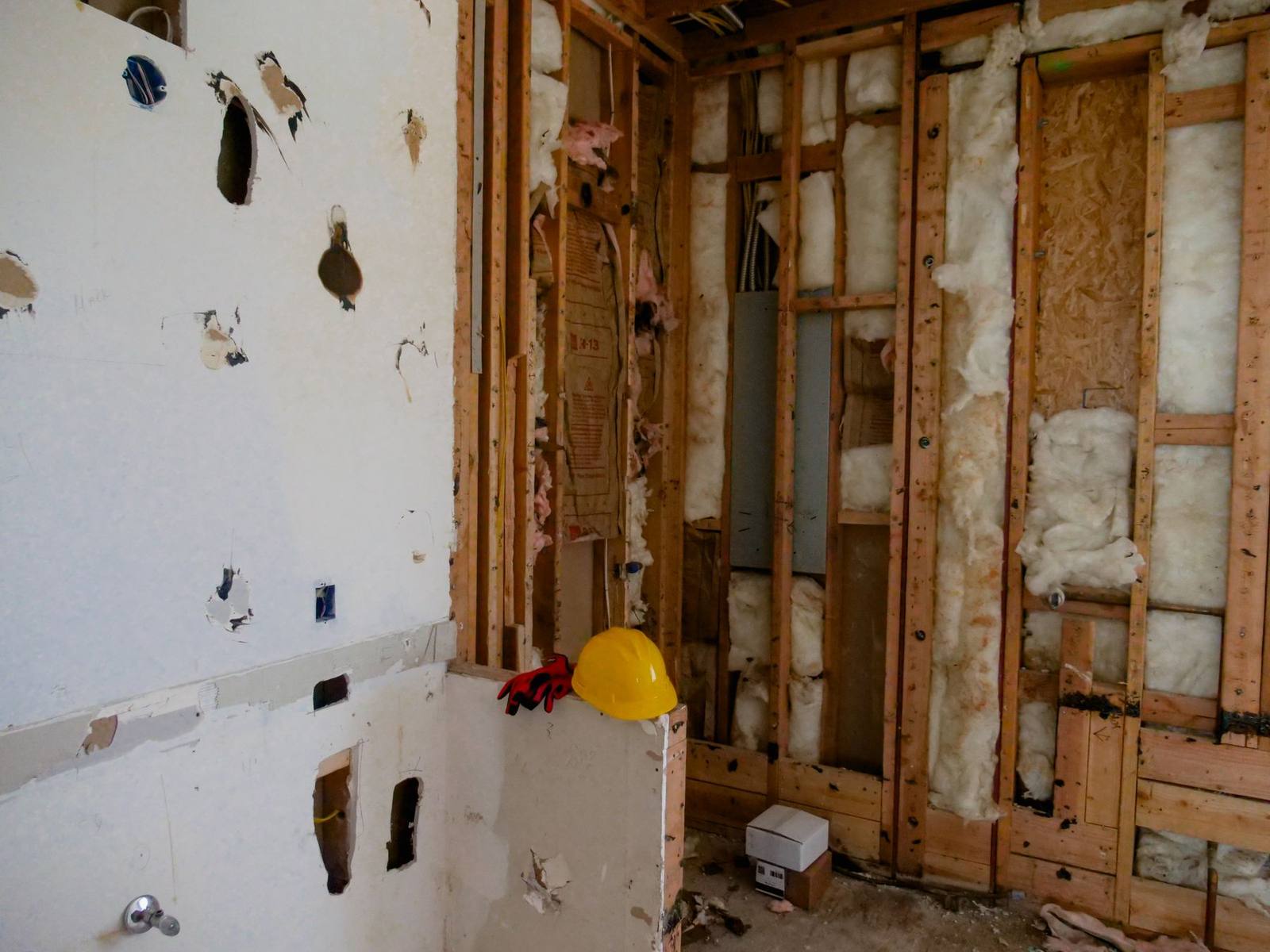
Soot and smoke travel far
Smoke and soot do not stay in the room that burned. They move through the house, settle on surfaces, and work into porous materials, fabrics, and the HVAC system. Soot is acidic and keeps damaging surfaces the longer it sits, etching glass and corroding metal, so fast cleanup limits the loss.
Crews clean soot from surfaces with the right methods for each material, treat contents, and clean the duct system so the smell does not keep recirculating.
Odor removal that actually works
Smoke odor hides in walls, insulation, and soft materials, and surface cleaning alone does not remove it. Real deodorizing uses methods like thermal fogging, ozone or hydroxyl treatment, and sealing of affected surfaces to neutralize the smell at the source rather than masking it.
This is the step that separates a home that smells clean from one where the smoke odor creeps back every time the AC kicks on.
Call about fire damage restoration in Houston. A local crew can get started today.
(817) 660-4380Water cleanup and rebuild
Firefighting leaves a lot of water behind, so fire restoration includes the same extraction and structural drying as a water job, with the added urgency that Houston humidity grows mold if the wet materials sit. Once the home is clean, dry, and odor-free, the rebuild restores burned and torn-out areas: framing, drywall, flooring, and finishes.
A crew that handles the full scope keeps the timeline and the insurance documentation consistent from cleanup through reconstruction.
Why time matters after a fire
Fire damage keeps getting worse after the flames are out. Soot is acidic and continues etching glass, corroding metal, and staining surfaces the longer it sits, and the water used to fight the fire soaks into materials that, in Houston humidity, can start growing mold within a day or two. That is why fast cleanup limits the total loss. Once the scene is released, the priority is stabilizing the home, removing soot, extracting water, and getting drying underway. Keep records and receipts for the claim, and do not attempt to clean heavy soot yourself, since improper cleaning can push it deeper and make finishes unsalvageable.
A typical fire restoration timeline
Fire restoration usually moves through clear phases, and knowing them helps set expectations. First is assessment and stabilization, including board-up and roof tarping so the home is secure and weather-tight. Next is water extraction and drying, since firefighting leaves the structure wet. Then comes soot and smoke cleanup across surfaces, contents, and the HVAC system, followed by odor treatment that reaches into walls and fabrics. Finally the rebuild restores damaged areas. The total timeline depends on the size of the fire, from a couple of weeks for a contained kitchen fire to months for major structural damage. Throughout, documentation supports the insurance claim that funds the work.
What the work includes
- Soot and smoke cleanup
- Smoke odor removal
- Contents cleaning
- Water extraction and drying
- HVAC and duct cleaning
- Reconstruction
How it works
How the job runs
Call and inspect
Tell the crew what happened. They stop the source and map the wet areas with moisture meters and a thermal camera.
Pull the water
Pumps and extractors get standing water off the floor and out of the carpet before it spreads into more rooms.
Dry and check
Air movers and commercial dehumidifiers dry the walls, slab and framing. Daily meter readings show when it is dry enough to close up.
Repair
Damaged drywall, flooring, baseboards and paint get replaced so the room looks the way it did before the water came in.
Common questions
Fire Damage Restoration FAQ
Why is there water damage after a fire?
Putting the fire out takes a lot of water, which soaks floors, walls, and contents. In Houston that water has to be extracted and dried quickly, because the same humidity that drives mold here works against a fire-damaged home too.
Can smoke smell really be removed?
Yes, but it takes more than cleaning surfaces. Odor settles into walls, insulation, and fabrics, so real deodorizing treats the source with methods like thermal fogging and sealing. Done properly, the smell does not return.
Does insurance cover fire damage?
Fire damage is covered under most standard homeowners policies, including smoke and the water used to extinguish it. Document everything and keep records. A restoration crew that works with adjusters helps move the claim along.
Related water damage services in Houston
Water Damage Restoration
Standing water, a slow leak, or storm flooding. Get fast, local water damage help and an honest plan to dry your home out.
Learn more ›Mold Remediation
Houston humidity grows mold fast. Get a real inspection, safe removal, and a plan to keep it from coming back.
Learn more ›Storm Damage Water Removal
Hurricane season runs June to November. When a storm pushes water in, get fast removal and drying.
Learn more ›Flood Damage Restoration
From bayou overflow to reservoir releases, get fast floodwater cleanup, sanitizing, and a plan to rebuild.
Learn more ›Water spreading right now?
Do not wait for it to dry on its own. Call and get a local restoration crew moving on it, day or night.